Running the Full Loop Around Mount Hood
Introduction
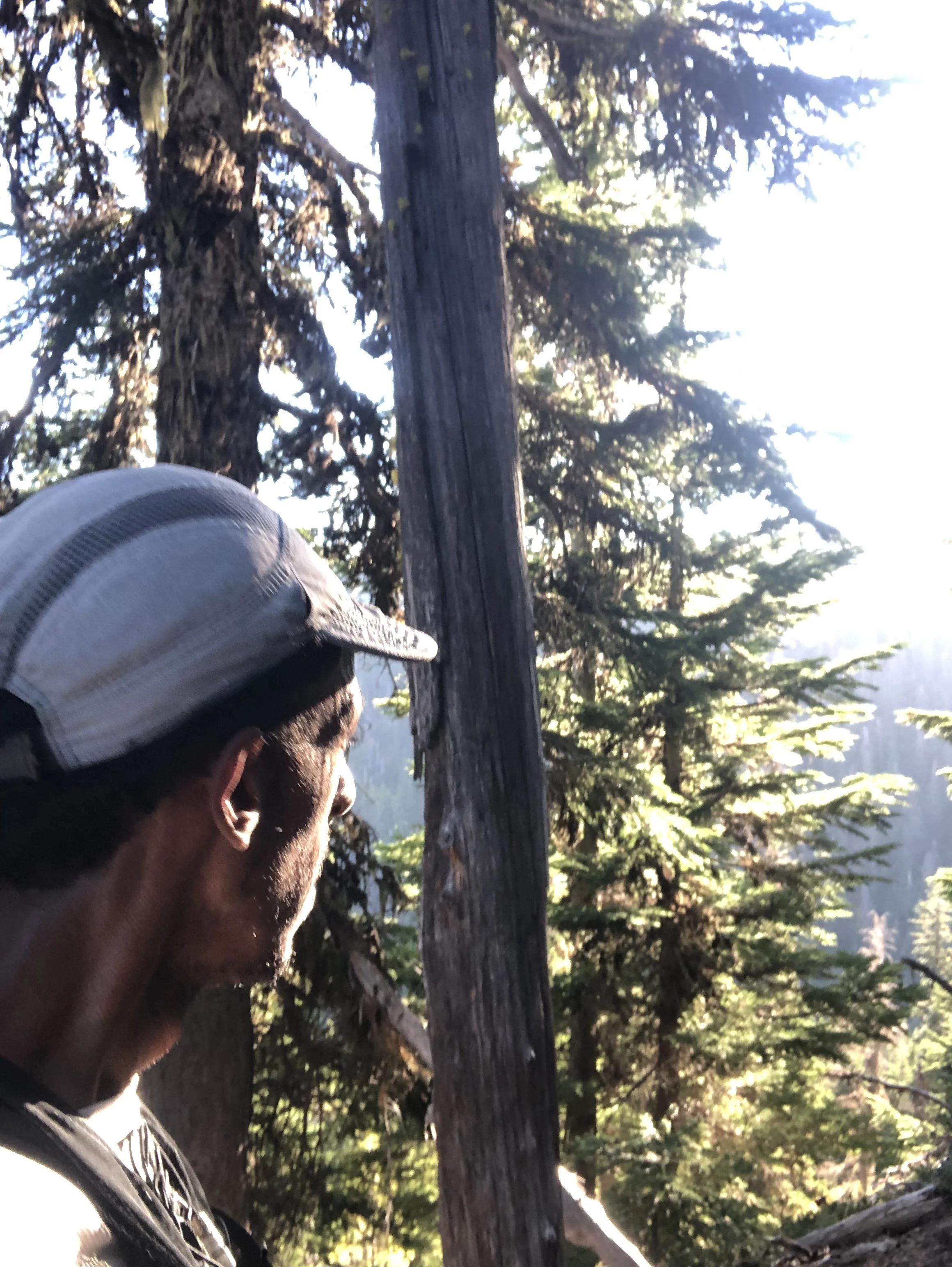
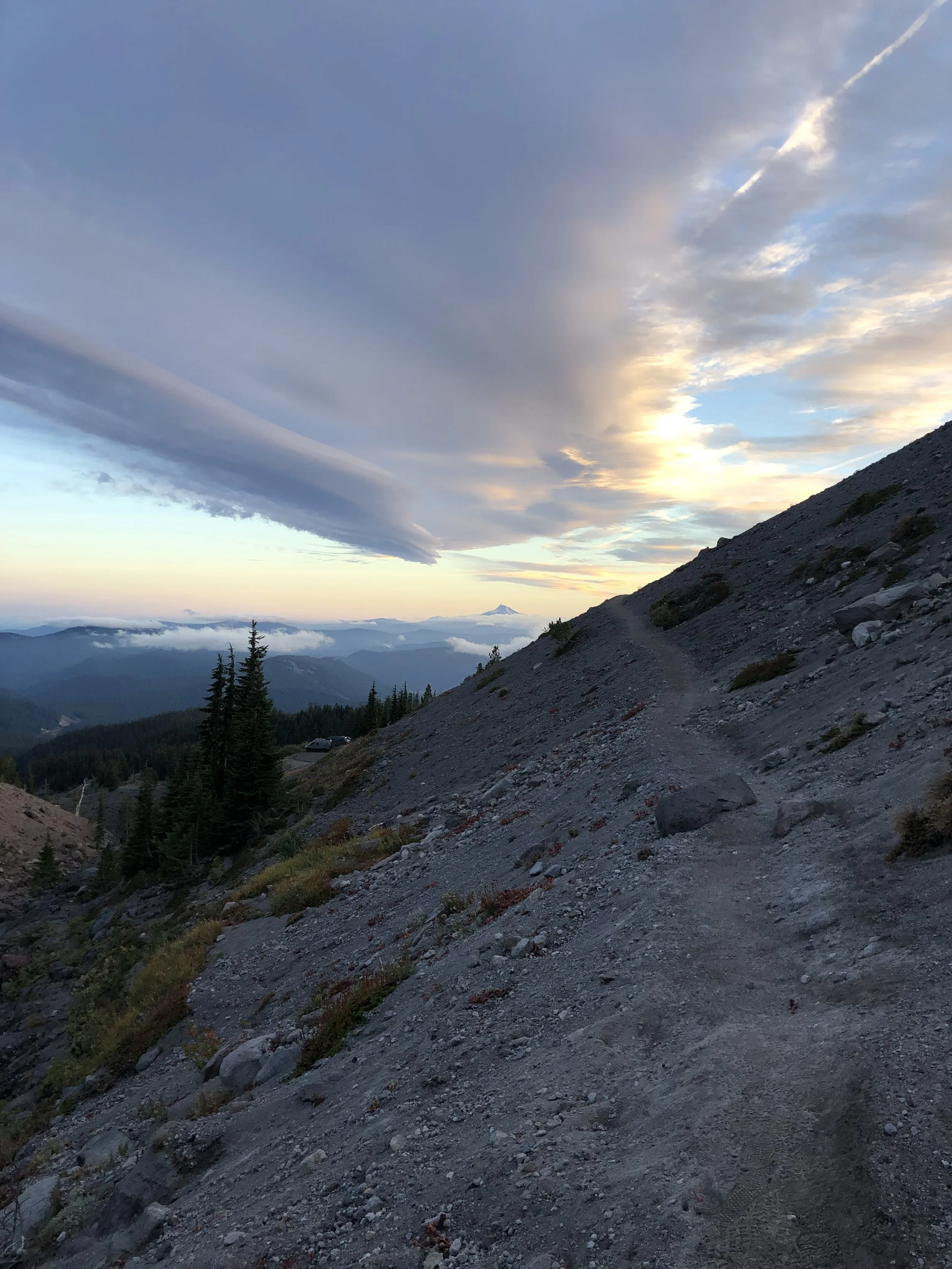
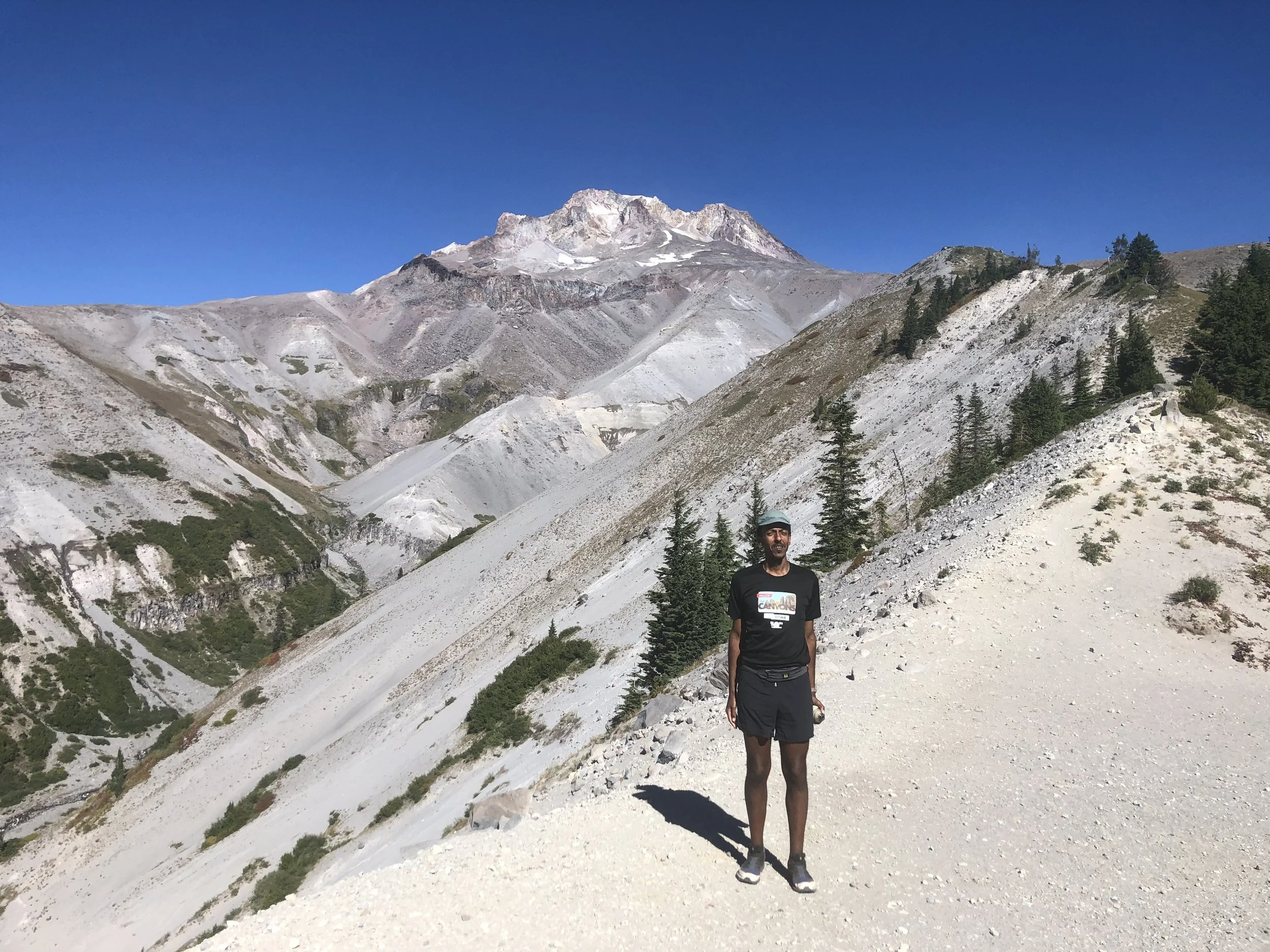
This article highlights my experience running the Timberline Trail around Mt. Hood. It’s impossible to fully capture everything in a single post, let alone the depth of reflection that came during this journey.
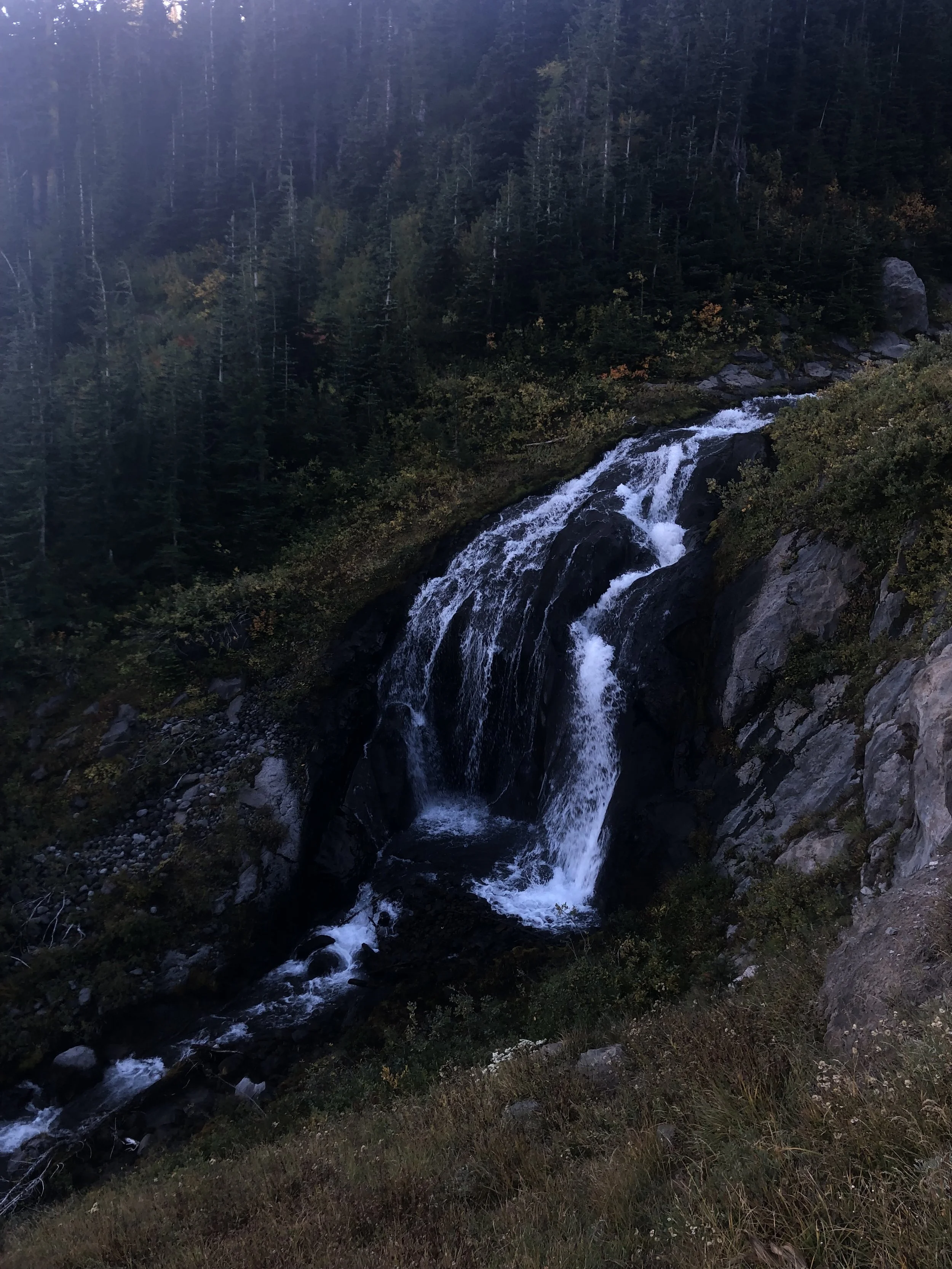
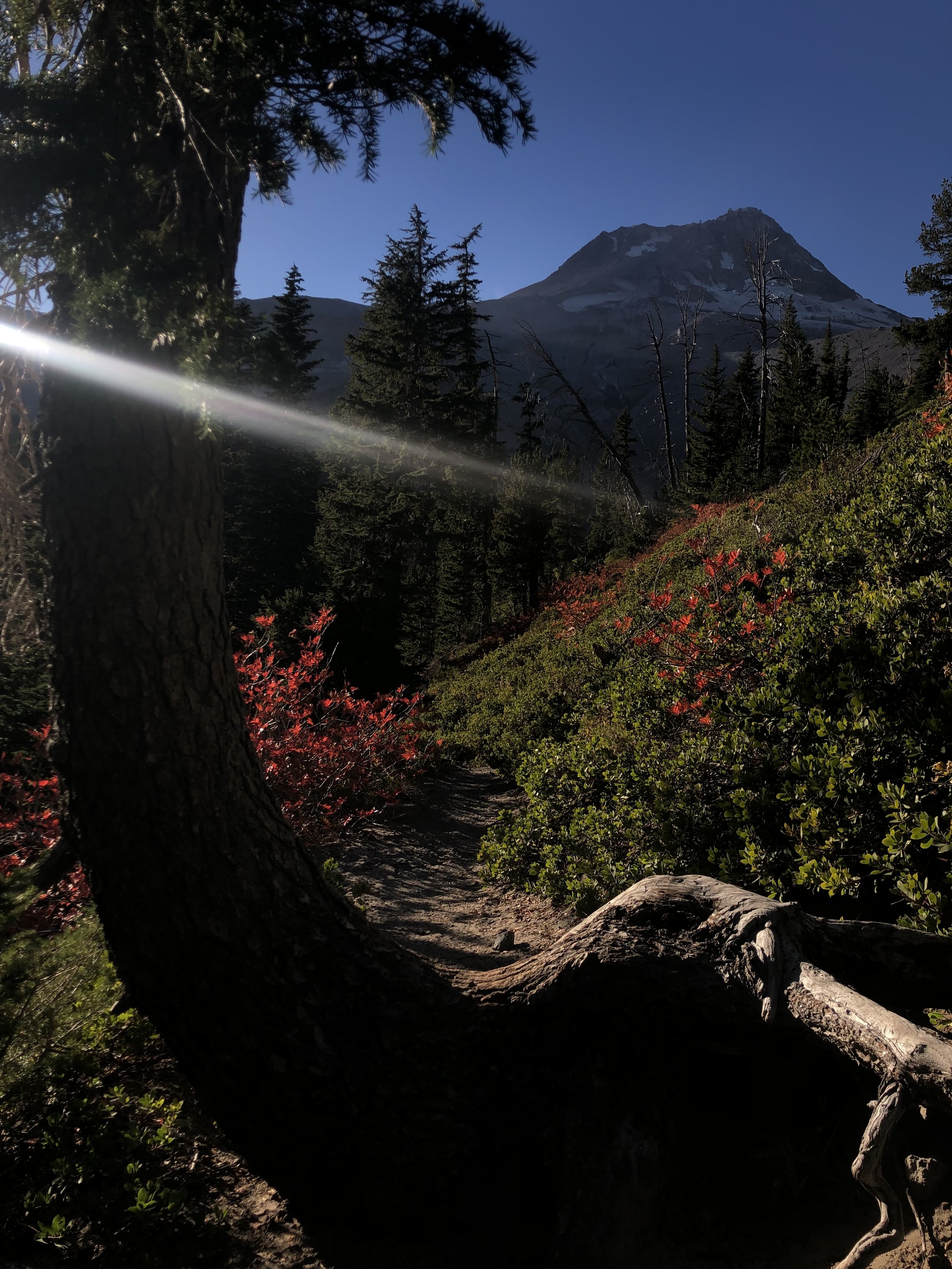
Beyond the physical challenge, the run offered moments of awe—towering views of Mt. Hood, raw alpine terrain, glacial rivers, and waterfalls carved into volcanic landscapes. It also brought awareness to the tension between human presence and the preservation of wild spaces. At times, I was confronted with how easily overuse can erode the very sense of mystery and purity that makes these places special.
What follows is a partial account of that journey.
Start at Timberline Lodge
I arrived at Timberline Lodge around 8:55 a.m. on a Saturday morning—later than ideal, as usual. I didn’t dwell on it. Instead, I began my warm-up, visualized the route, reviewed my nutrition plan, and tried to stay present.
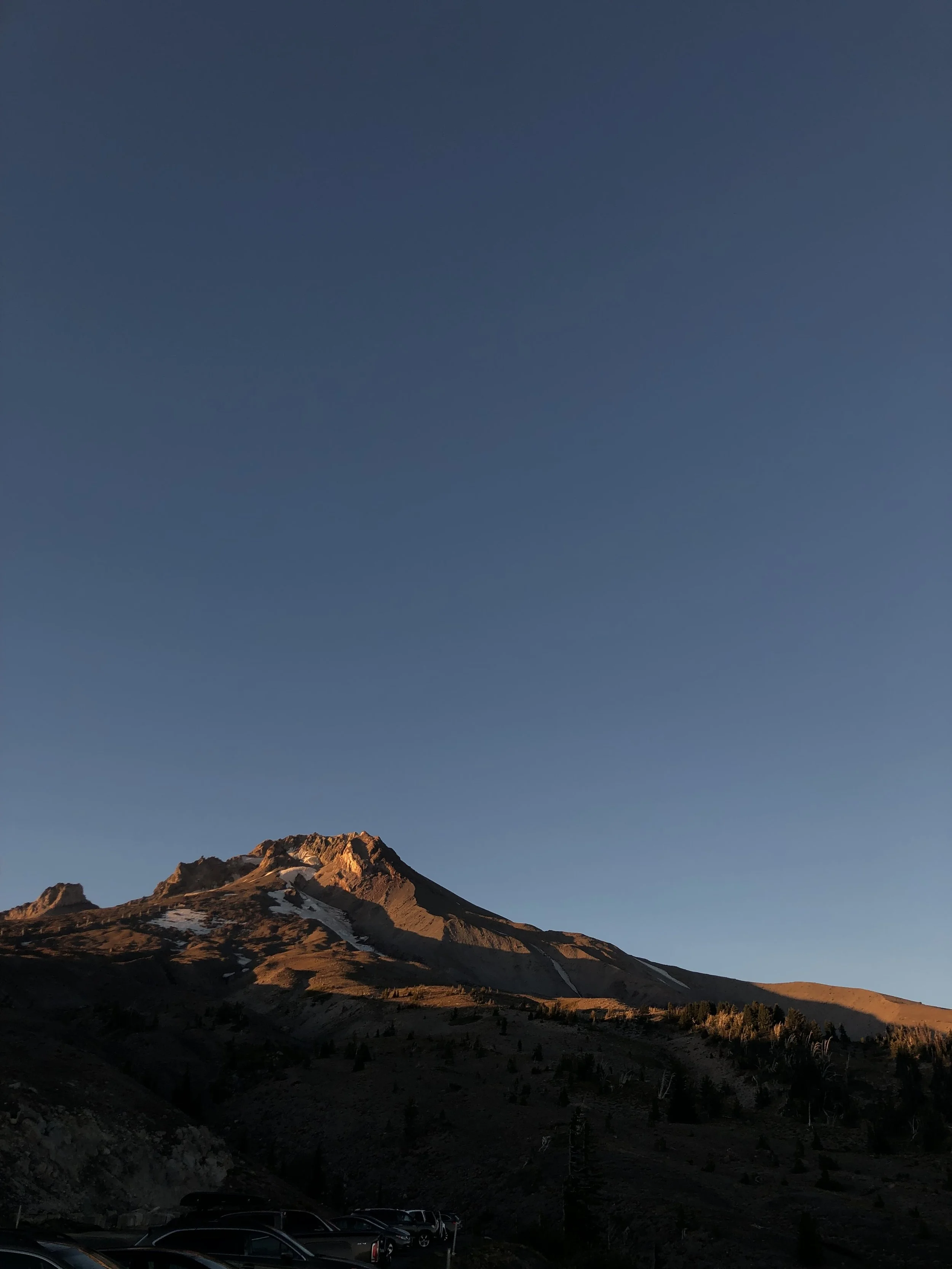
At 9:30, under a clear blue sky, I put on my pack, laced my shoes, and looked up at the mountain. In a moment of quiet respect and gratitude, I greeted it: as-salamu alaykum—peace be upon you.
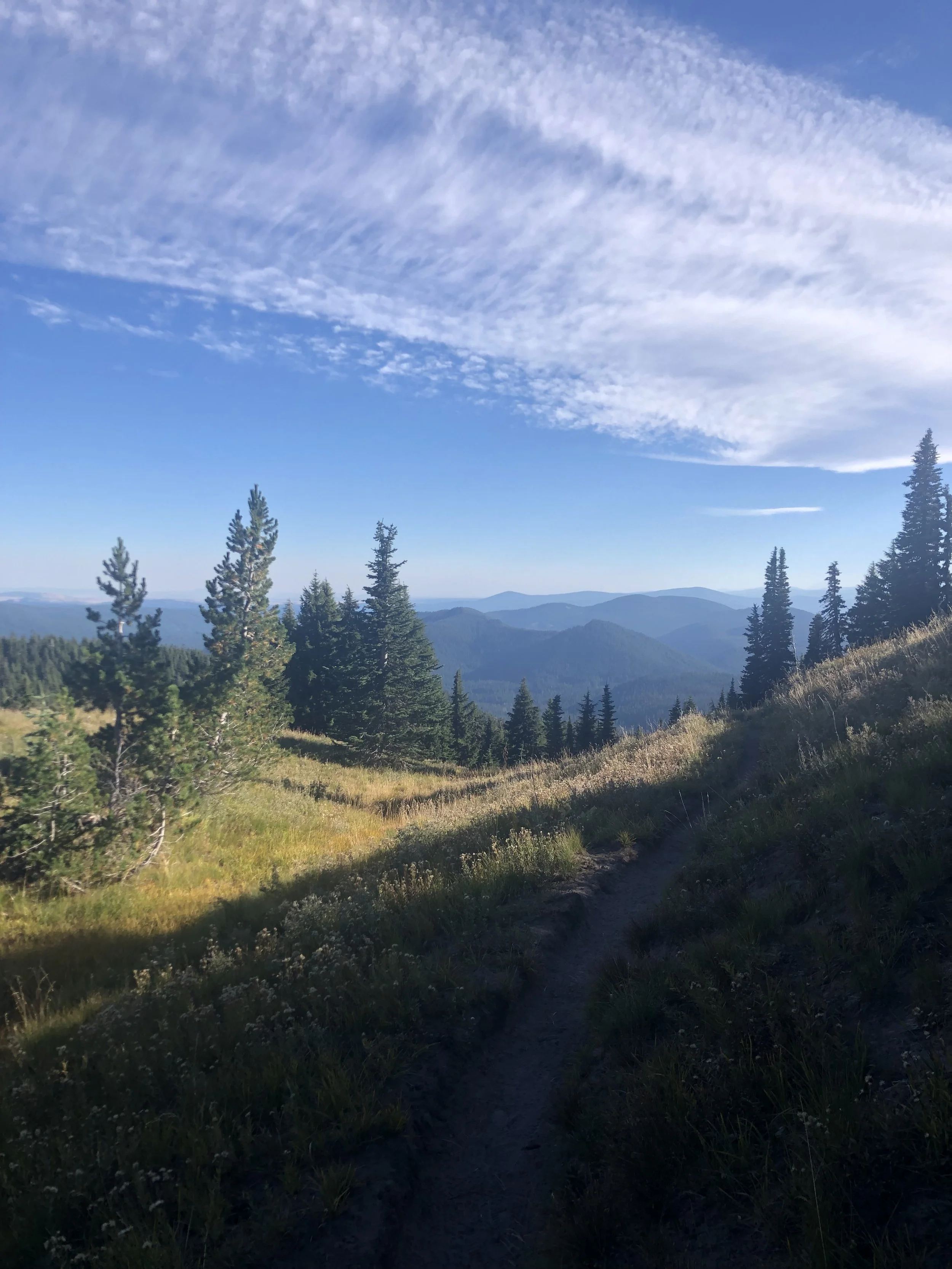
I had spent the previous couple of weeks training on these trails, so I was somewhat familiar with both directions from Timberline Lodge. I chose to run counterclockwise. The opening section came quickly—steep gradients that activated everything, followed by a fast descent into a small canyon with a stream crossing and views of Mt. Jefferson in the distance.
East Side: White River Canyon
After a short climb, the route transitioned into a net descent with rolling terrain toward White River Canyon. The trail cut through sandy forest sections, rocky traverses, roots, and exposed edges.
River crossings here can vary significantly depending on the season, so I had done some prior research on safe crossing points. I also relied on cairns for navigation when needed.
In this section, I crossed White River twice before continuing through the canyon and re-entering forested terrain on the opposite side.
Climbing and Early Fatigue
The next section featured a steep ascent to roughly 5,845 feet, followed by rolling terrain for about four miles. From there, another major climb began—roughly 2,000 feet over four miles.
At times it felt overwhelming, though likely more from pacing than terrain. I focused on keeping my stride light, staying present, and letting effort settle rather than forcing it. I reminded myself that much of the remaining route would trend downward.
To stay engaged, I broke the run into smaller goals and tried to recognize small wins throughout the effort. The landscape helped with that—constantly shifting views, wind patterns, and terrain textures that demanded attention.
Finding the Pattern
Around this point, a rhythm in the trail began to emerge.
After roughly 20 miles, the pattern became clearer: descents into canyons, stream crossings, and then climbs back out. Repeating cycles of effort and recovery shaped the entire route.
The terrain changed constantly—forest, ash fields, burned sections, moss-covered streams, waterfalls, sandy slopes, and exposed ridgelines. Mt. Hood revealed itself in different moods throughout the day.
It felt less like a loop and more like a continuous sequence of physical problem-solving layered with reflection.
Reflection on the Mountain
Completing the circumnavigation reinforced my confidence as a runner and deepened my appreciation for wild landscapes and their fragility.
The experience pushed both physical and mental limits. There were moments of ease and flow, and others where fatigue forced me to slow down completely. Both ends of that spectrum shaped the experience.
In those contrasts—effort and relief, joy and discomfort—something deeper emerged: a sense of resilience built not just through endurance, but through awareness of what the body and mind can hold.
Why I Run
This is why I run.
A way of reconnecting with something more fundamental—movement, presence, and simplicity.
Running, walking, and moving are not modern inventions of fitness culture. They are foundational human behaviors. The body is designed for them. Over time, modern life has distanced us from that reality through distraction, and routine.
But when you return to movement—consistently and intentionally—you begin to notice how deeply it affects not only physical health, but mental clarity and emotional balance.